
Systematically Learning About Our Preserves
By Bob Chapin and Beth Sullivan
Over the past couple of years, Avalonia members and staff have been trying to collect more actual data about what lives in the widely diverse group of Avalonia preserves. This has included using passive acoustic monitoring devices to identify bird species over the course of days, or using trail cameras to monitor human visitors and wildlife. This year, we expanded our efforts through the use of iNaturalist and several focused “Plant Posse” activities.
iNaturalist provides an app for a smartphone, which we use to take photographs of plants, animals, scat, insects, etc., etc. Each photo is uploaded to the iNaturalist website, where a machine learning algorithm (or artificial intelligence) proposes an identification for what we saw. This is then curated by citizen scientists (not AI) familiar with the group of organisms, creating a record of what was seen at that site. Because each photo is tagged with latitude and longitude coordinates (and, in our case, listed under Projects, each named after an Avalonia property), you can see how we can quickly generate a large census of species at a preserve. The summer of 2025 was our first season for systematic collection. This year, between 3 and 8 Avalonians at a time visited 4 different preserves to spend an hour or so being a “Plant Posse”: spreading out on the preserve and trying to systematically capture representative photos of each type of plant, fungi, insect, animal or other organism that we find.
What’s Out There?
From the 4 preserves we visited, we captured roughly 315 new photos and a total of 220 individual species. Most observations tend to be of common and easily observed species (trees, leaves, flowers), but each observation documents in time and place where that species exists. Less common species, including mushrooms, lichens and mosses, are recorded and will often need supportive identification from the iNaturalist professionals. Occasionally, a surprise was encountered that is a gem to be documented: a rare orchid, a startling red cardinal flower in a swamp, and even a swath of common white wood aster on the autumn woodland floor is notable. We have discovered trees of historic proportions, beetles, bugs and other insects which we all needed help identifying. Basking snakes and butterflies, beaver-chewed trees and piles of scat are all fair game for the iNaturalist cameras.
Join the Posse!
In 2026, we hope to add more people to these Posse excursions, and we will also try different sampling methods to see if that produces a wider variety of species records. We would love to have you join us if you’re interested in this sort of activity!! We can easily provide some training on the use of iNaturalist. The website and app have great tutorials (YouTube is almost always a great teacher). In 2026, we’ll be going out about once a month in the growing season, and you need not attend every session…come only to those that fit your interest or schedule. These are also a wonderful way to learn about a Preserve which is new to you (ask us how we know…).
Having said that, you don’t have to be a part of a formal Plant Posse. Any photo you take of a species on any Avalonia preserve, using the iNaturalist app, will be automatically included within the boundaries of a preserve. And observations aren’t limited to the growing season, as winter woods, water birds, and mammal signs are all important.
For questions, or if you’d like to become part of our iNaturalist Plant Posse, please email avalonialc@yahoo.com with “iNaturalist” in the subject line, and one of us will get in touch with you! We would LOVE to have you join us!
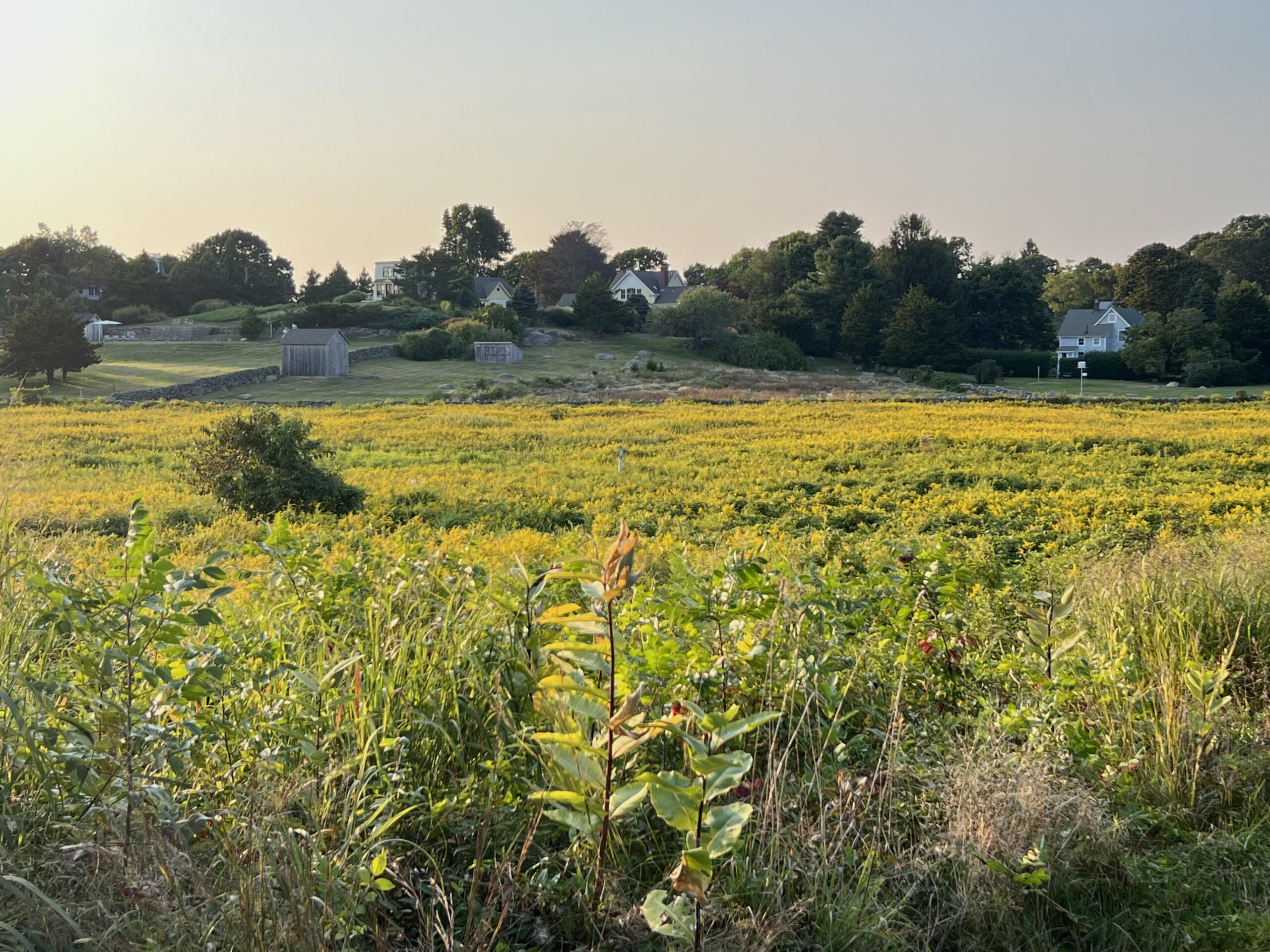
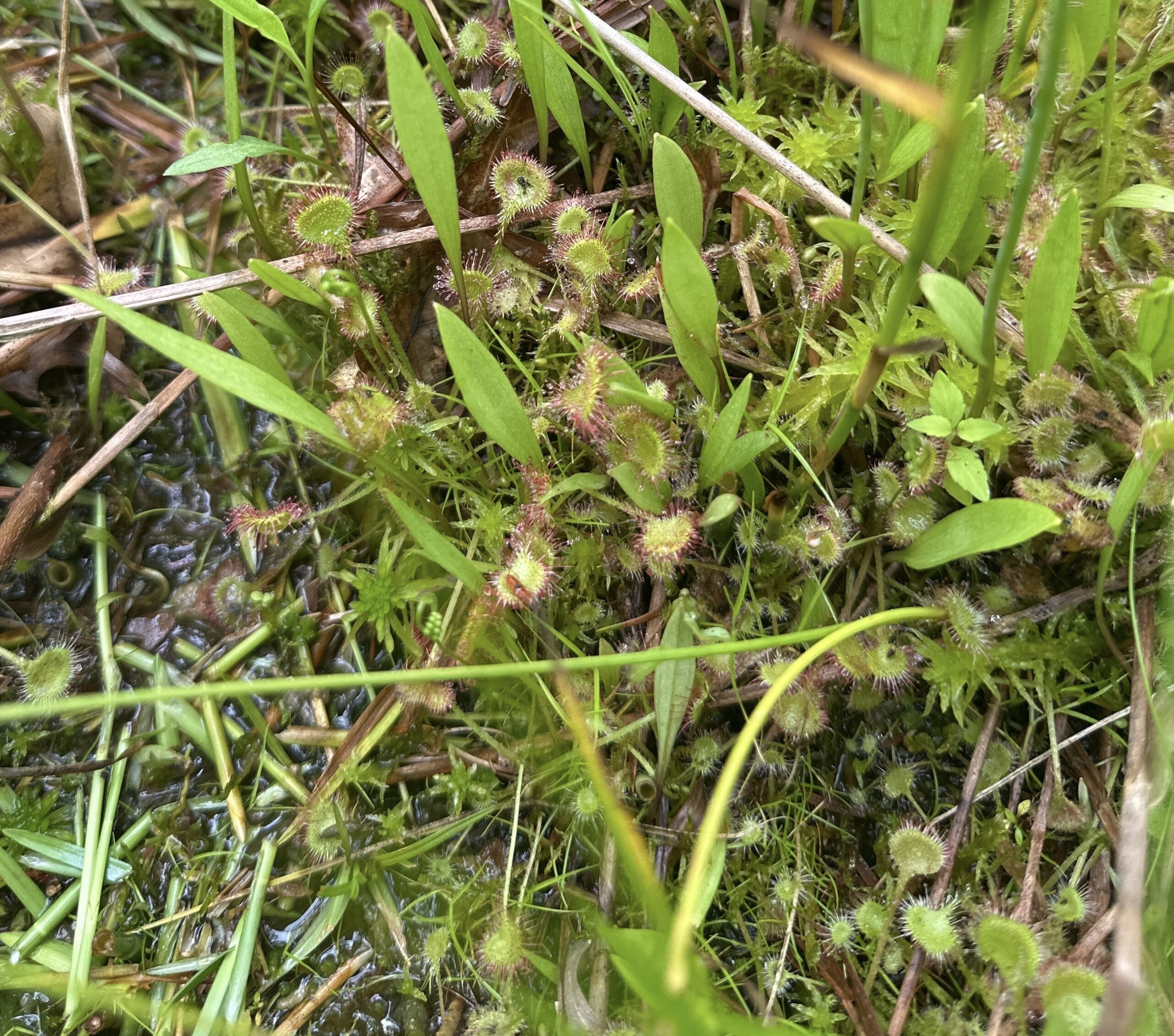
Caption for featured photo: From small and rare Roundleaf Sundews found in bogs to great fields of Goldenrod, all plants occupy unique habitats and can be found throughout the diverse habitats on Avalonia Preserves. Our iNaturalist efforts seek to document as much as possible. Photo by Beth Sullivan.