
Herman E. Sheets Family Forest and the Landscape of History
Story and Photos by Jeff Alexander
When is a hiking trail more than a walk in the woods? Out under the trees, amidst birds and breeze, it may seem like nothing more than a healthy outing. But is it? As is often the case, the answer is in the eye of the explorer. The land can reveal intriguing features—even mysteries—sparking curiosity that lingers after the boots and hiking poles are stored away.
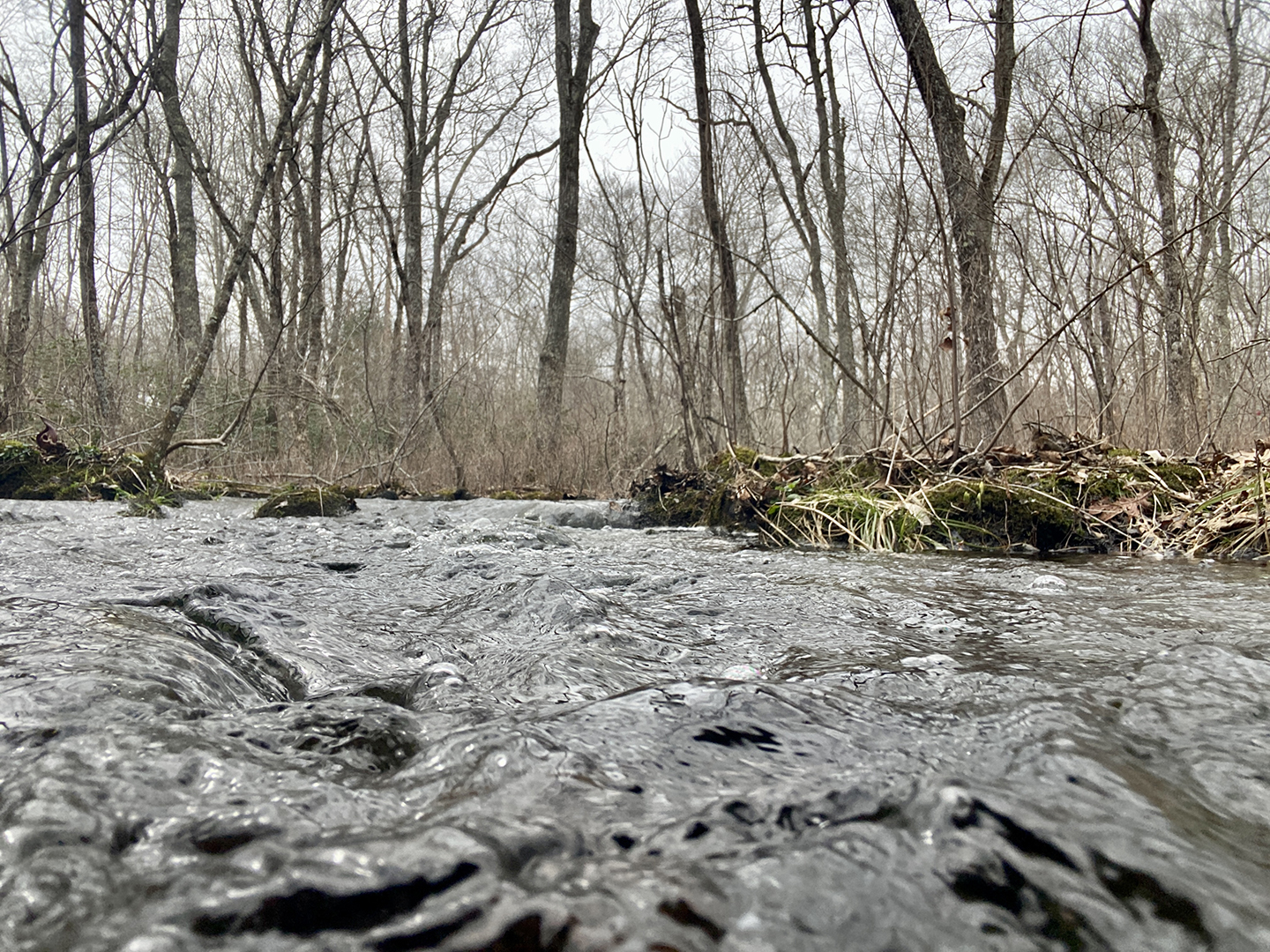
The Herman E. Sheets Preserve is that kind of place. Acquired by Avalonia in 2021, it provides habitat for a wide range of wildlife such as beaver, New England cottontail rabbit, bullfrog, brook trout, blue-winged warbler, American woodcock and brown thrasher, to name just a few. The site boasts a half mile of untrailed frontage along the eight-plus mile Green Fall River, a picturesque, forested waterway flowing from Pachaug State Forest to the Ashaway River in Rhode Island. Sheets is key to the health of this wild river, offering crucial protection for a section of the Wood-Pawcatuck watershed that provides drinking water for thousands of local households.
The 86-acre property lies within the historic settlement area of Laurel Glen, one of the original villages of North Stonington, formerly known as “Milltown.” These communities once hummed with activity tied to enterprises supported by the Green Fall River’s water power, among them a felt mill, lace factory and the Laurel Glen Line Company, manufacturer of shoelaces. There are also reports of spinning hemp for rope within the community. Farms dotted the area, too, as the rich soils adjacent to the river’s banks were primed for agriculture.
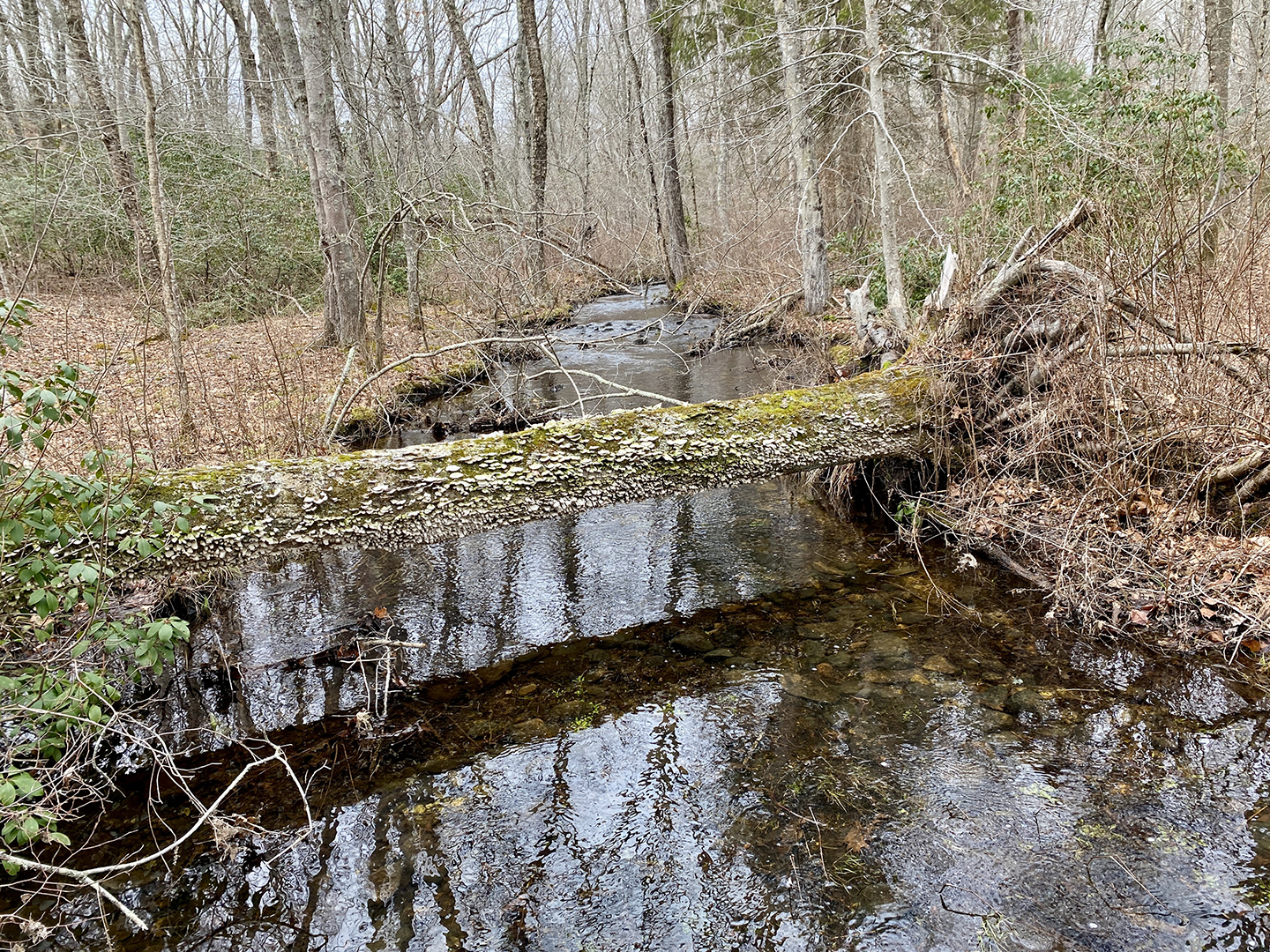
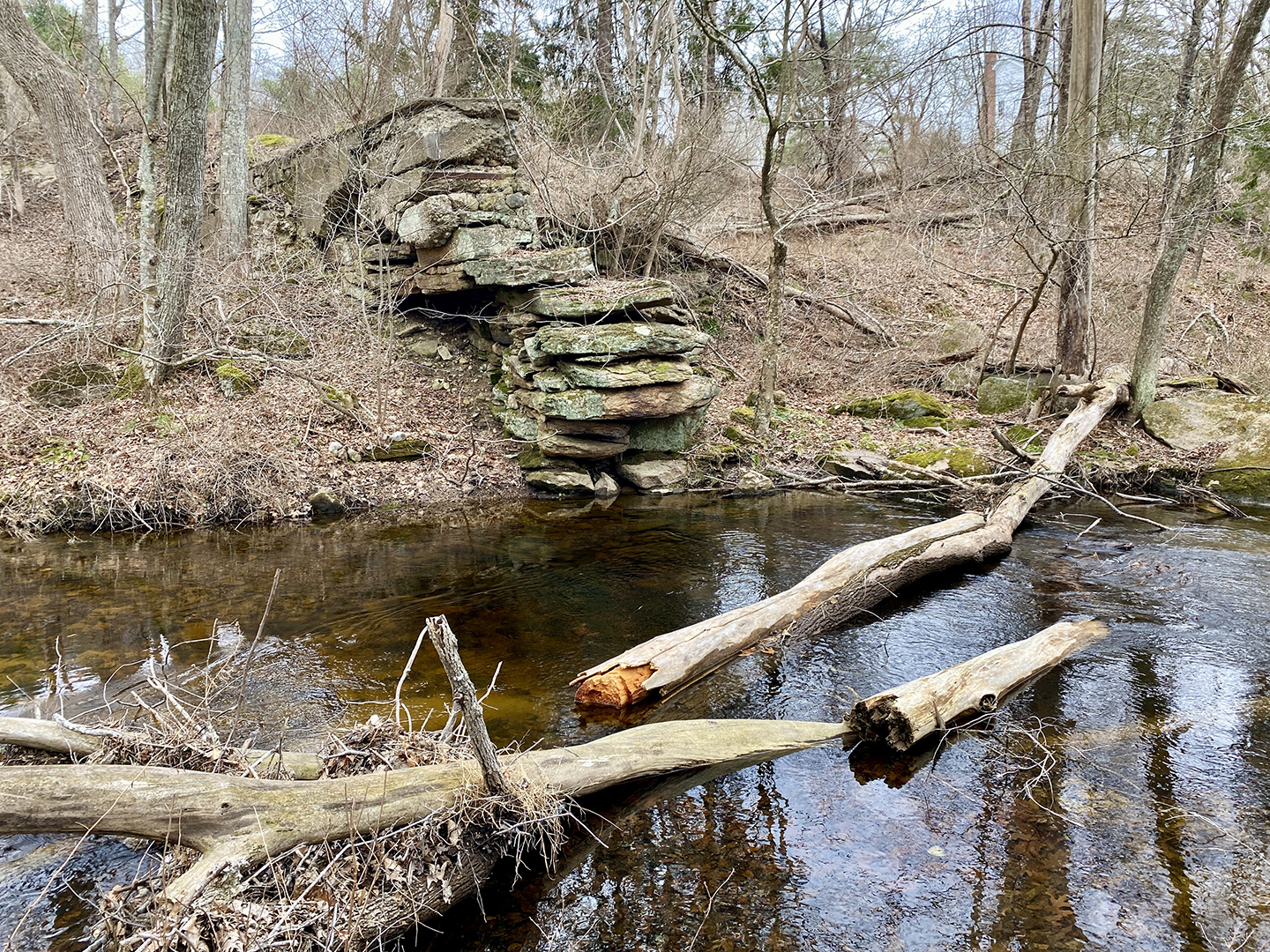
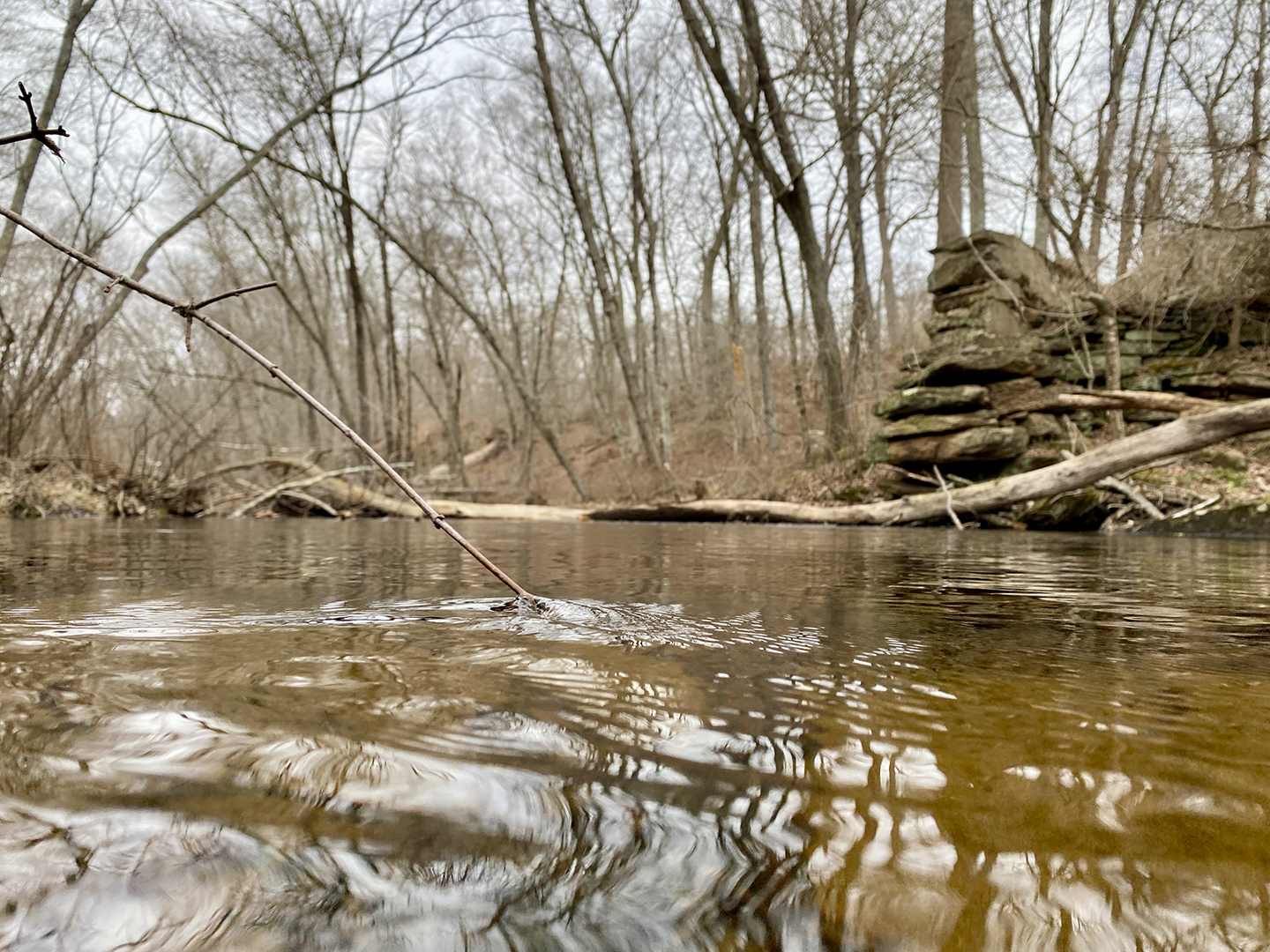
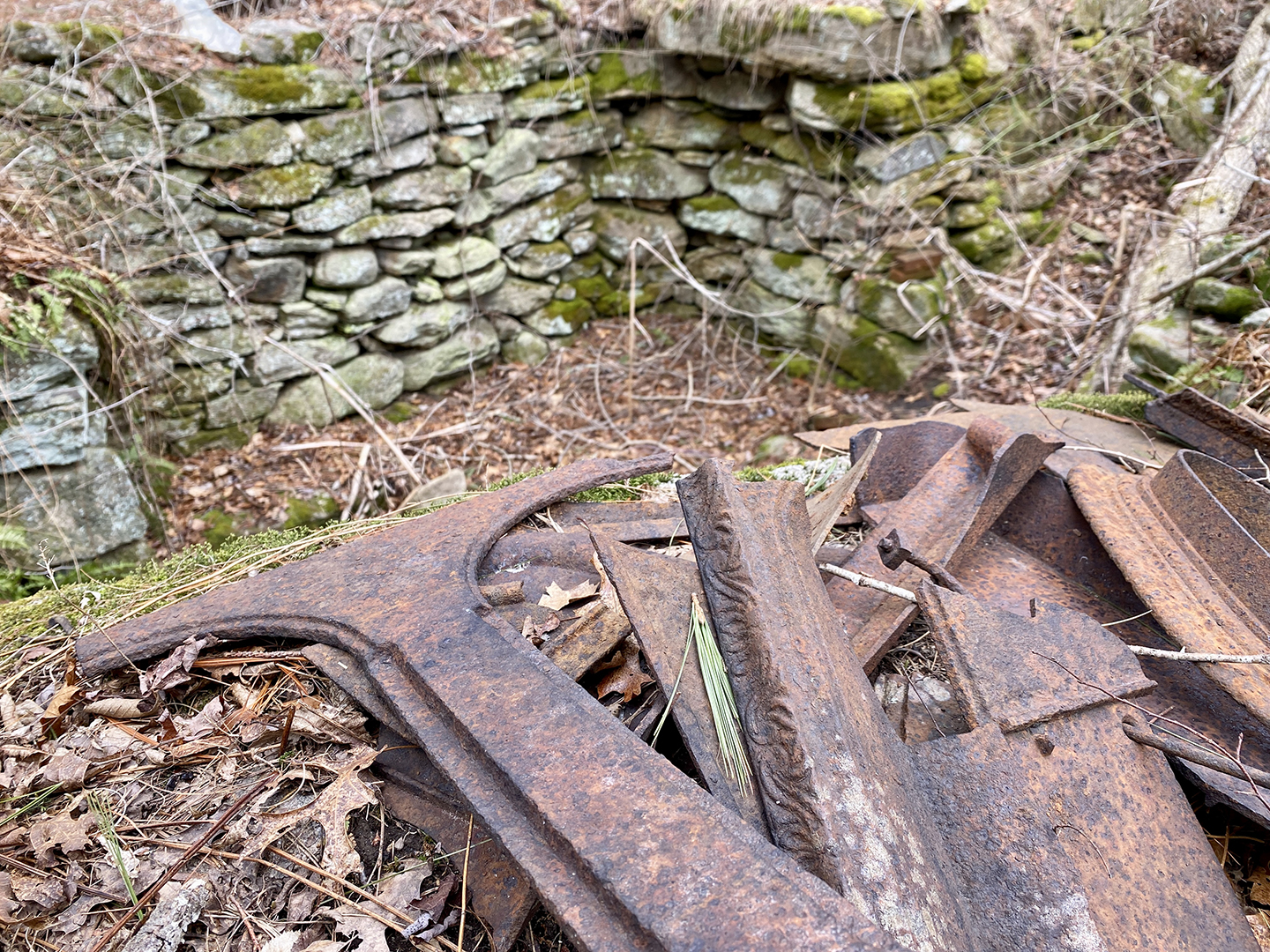
The sights and landmarks of the preserve can invite more questions than answers, though. Amid wetlands, rolling glacial terrain, evergreen groves and the scenic waterway with its rugged, steep embankments, visitors encounter remnants of the past: stone foundations, a root cellar, a man-made earthen dam, stone walls, cairns and artifacts from a woolen mill and dam visible from the aptly named Green Fall River Old Dam Overlook. The mill’s workers lived on the east side of the river in a section unceremoniously called Mudville. Prior to the 17th century, Native Americans were the area’s only inhabitants, and some stonework and walls may be attributable to them, constructed prior to the foreign settlers who followed.
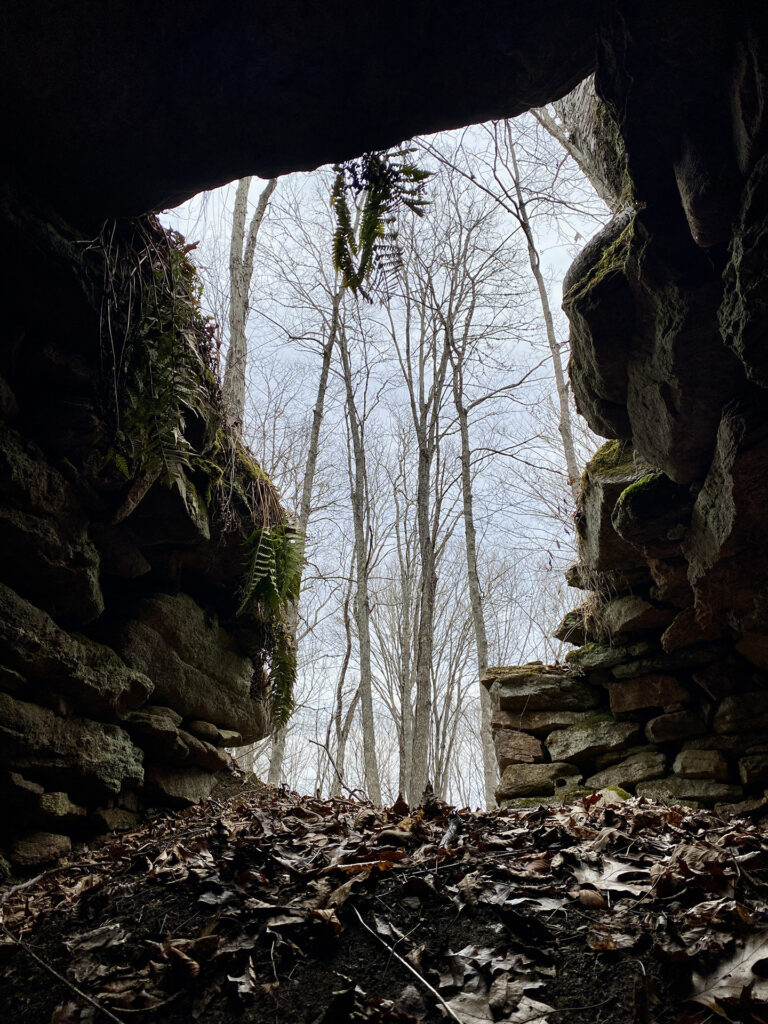
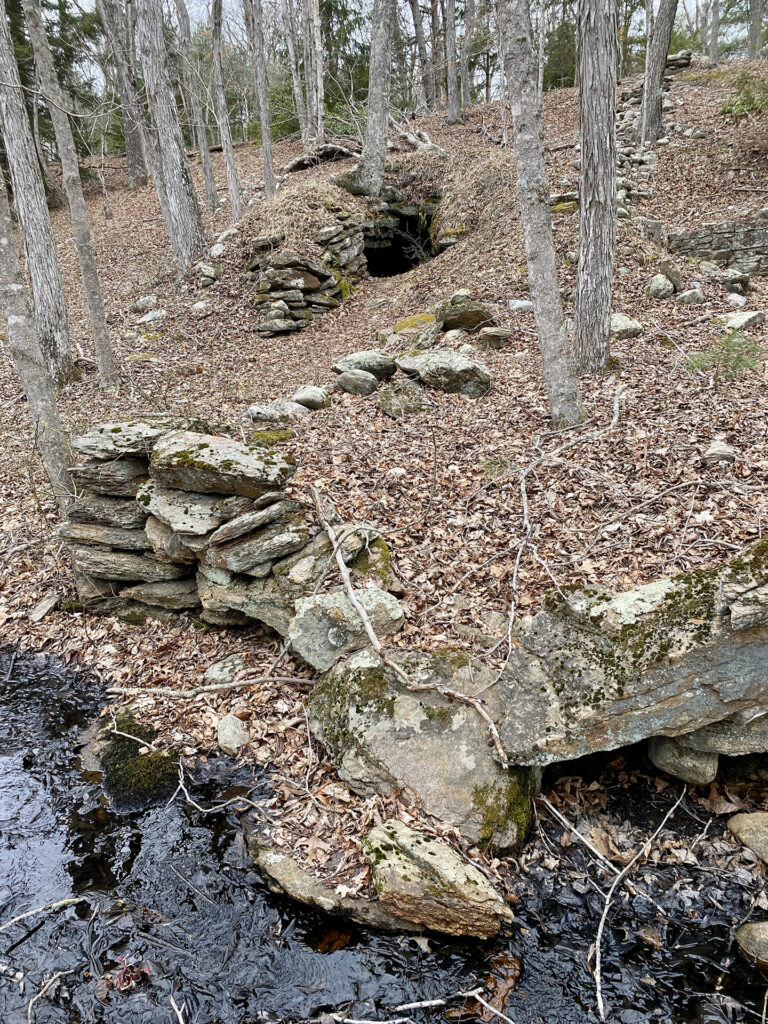
As you walk through Sheets Forest—or along any trail—consider not only what lies in front of you, but what came before it. What stories are rooted in the landscape? Who were the people who once walked and worked the land? How did they live their lives, what legacies did they leave behind?
And, just as importantly, think about our role in preserving and protecting the priceless natural landscape for future explorers.