
“Neither snow nor rain nor heat nor gloom of night…,”
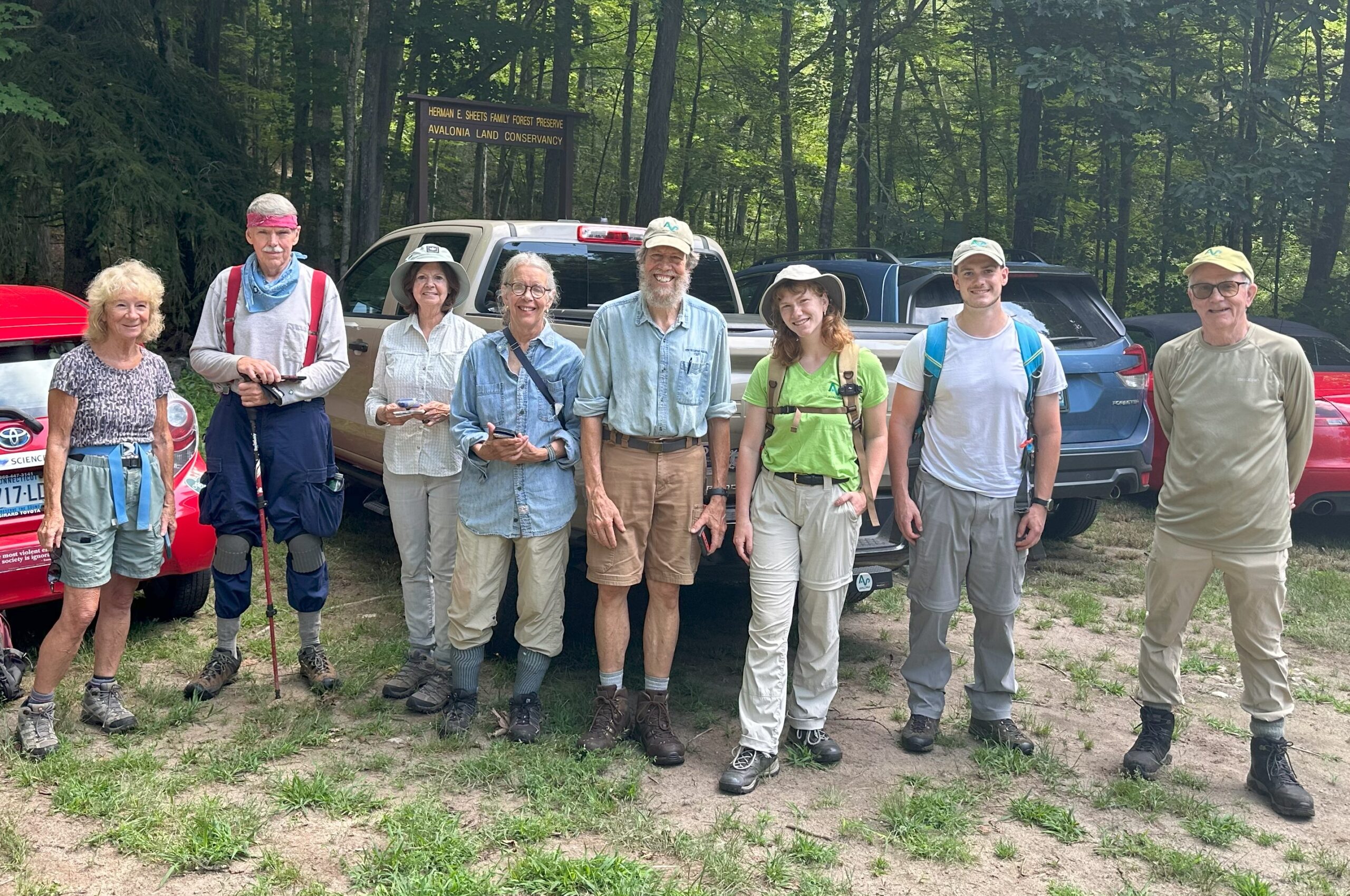
“Neither snow nor rain nor heat nor gloom of night stays these ….[citizen scientists] from the swift completion of their appointed [iNaturalist] rounds,”. OK, so clearly not postal workers and definitely written with a healthy dose of hyperbole, but nonetheless, Avalonia volunteers, staff, and interns have been working through the extreme weather of this summer, visiting selected preserves, developing a process for conducting flora and fauna surveys.
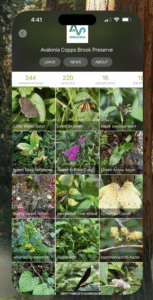
A combination of iNaturalist, Merlin, and Landscape apps, passive acoustic monitoring, and strategically positioned trail cameras will be used in various ways in order to gain an enhanced and very necessary understanding of the plants and animals that live on or pass through our nearly 100 preserves. iNaturalist, in particular, has ended up being a very accessible app, with a vibrant user base. Our own working group, the self named “PlantPosse”, has had fun testing it out on a number of preserves with different habitat types. Once we have refined our approach, we envision these surveys as being community building events that might advertised to the general public.
This process and the resultant data, including any held by CT DEEP in its Natural Diversity Database of species that are endangered, threatened or of special concern, will help guide us in the stewardship of our preserves. The data will inform trail placement and design and other aspects of potential recreational use, as well as allow us to make the best decisions possible when it comes to certain types of preserve management, such as dealing with invasive species and restoring habitats. While certainly not a substitute for the more rigorous plant and animal surveying that is sometimes needed, the hope is that we can develop a customized, fun, and easily deployed process that allows for consistent and meaningful data collection.
Over the last several months our team, a combination of seasoned naturalists, tech enthusiasts, and stewardship newcomers, has learned much about how to best use this portfolio of tools. A huge thanks to Bob Chapin and others who helped to plan these trial runs. If you are interested in learning more or being a part of this work, contact us at stewardship@avalonialc.org