The human element of stewardship highlighted
By Dusk Homiski
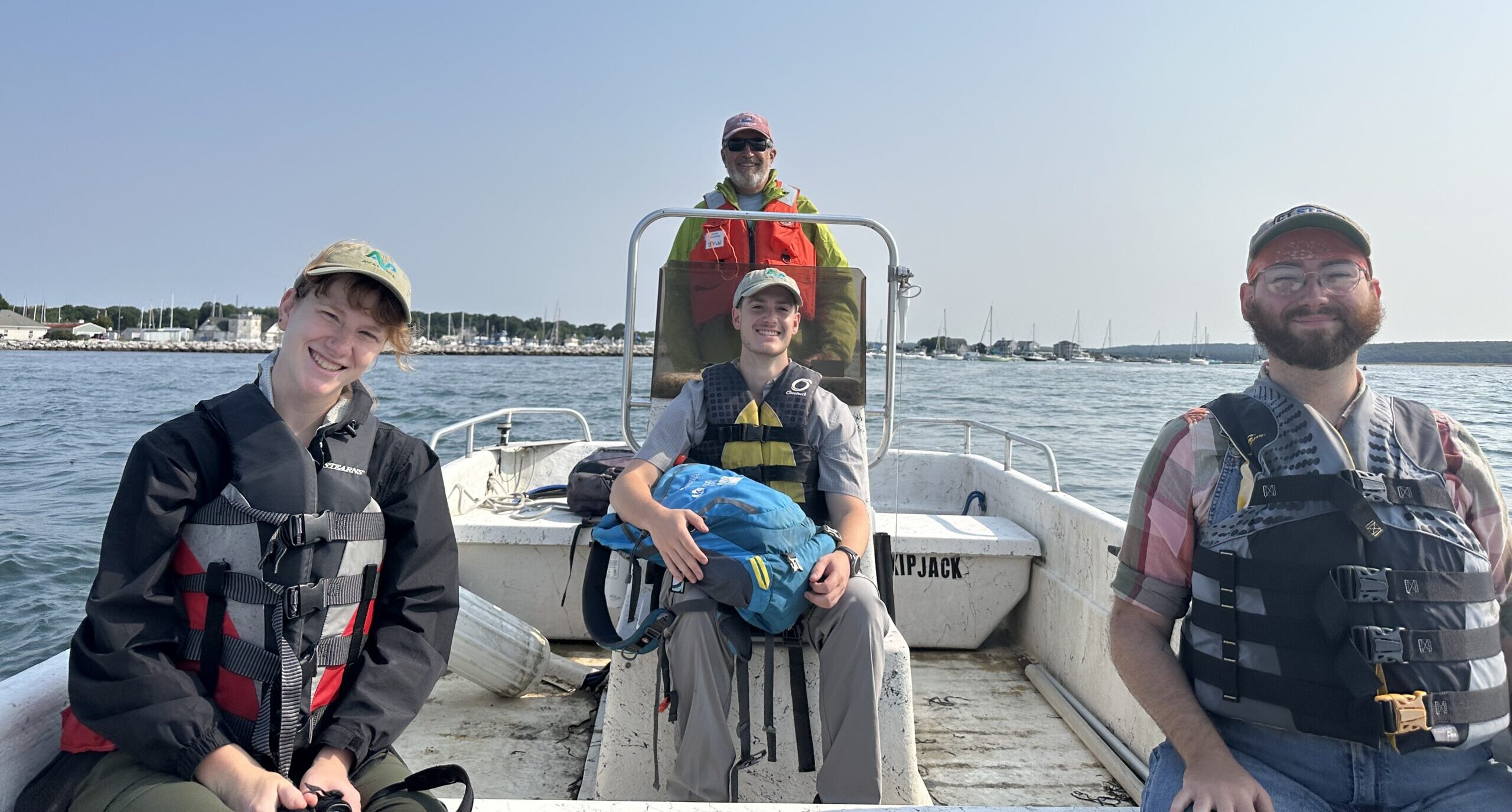
Prior to this summer, I would have told you that I was already somewhat familiar with the Avalonia Land Conservancy. I had hiked many of their preserves, read many interesting signs posed within them, and grown a certain sense of familiarity with at least the notion of what a land conservancy was. This summer, I have enjoyed the unique and somewhat unlikely opportunity to work with Avalonia firsthand, and I remain amazed by the number and complexity of the things I have learned and continue to learn. The work that goes into preserving land is diverse, complicated, and endlessly engaging.
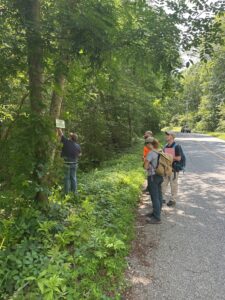
The beginning of my work with Avalonia was largely a crash course in a number of subjects. I saw some of the preserves we would be working on, learned some very fascinating history, became familiar with some useful programs used by Avalonia, and got to know my fellow interns. Even once the work became more substantiative, there was always a wealth of interesting and useful things to learn. From different kinds of preserves and easements, to how to identify certain invasive plants, and even methods of restoring once devastated and rare habitat, such as the white cedar swamp, working with Avalonia has remained exceptionally novel and educational. Even when not actively in the field, I was consistently provided unique resources such as management plans, maps, other documents related to stewardship and the unique ecosystems protected by Avalonia.
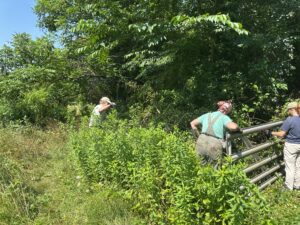
Stewardship is always a learning experience, but among the most crucial element of working to uplift and support the environment is the impact your work makes. With Avalonia, I have always felt satisfied by the very visible and noticeable progress we are consistently able to make when working on a preserve. Even the simple, rewarding task of controlling invasive plants comes with it the satisfaction of being able to see the work you’ve done, and this is equally true of most of the field work we have done. Whether it’s a bridge being worked on, tree nurseries being tended, or boundary posting, it is satisfying to work on a project and see firsthand the outcome of your work.
Beyond the work, the educational opportunities, and the experience, I feel blessed to have had the opportunity to meet and work with some incredibly amazing and hardworking people working for and alongside Avalonia. While understanding ecosystems, programs, and infrastructure are all important skills, the human element of stewardship remained central to each day of my internship. Truthfully, at the center of any work related to the environment at all is the fundamental question of encouraging people to live their lives with the prosperity of nature in mind, and ultimately, this is a social concern as much as it is academic.
With several weeks still remaining in my summer, I remain excited and grateful for the opportunity to work with The Avalonia land conservancy, and I look forward to seeing what else my summer has in store for me. Once the summer is over and my internship ends, I think that I should never see the preserves stewarded by Avalonia quite the same again, and if I am lucky, perhaps I will one day have another opportunity to work with Avalonia at some capacity.